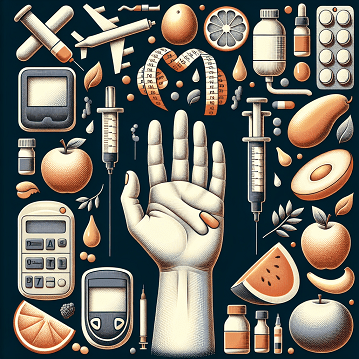
Reducing blood sugar level is crucial for both immediate well-being and long-term health, especially for individuals with prediabetes or diabetes. Whether you’re newly diagnosed or looking to refine your glucose management, understanding your medical background—including your diagnosis, current medications, and recent blood sugar or A1c readings—is essential for tailoring the best strategies. Still, there are safe, proven methods you can start using today to help lower your blood sugar and reduce spikes after meals.
Reducing blood sugar level is essential for maintaining energy and overall health. By focusing on reducing blood sugar level, individuals can mitigate the risks associated with diabetes and prediabetes.
Why Reducing blood sugar level Matters
Additionally, reducing blood sugar level can enhance mood and cognitive function. Regular monitoring is key to understanding how various foods affect reducing blood sugar level.
High blood sugar (hyperglycemia) can cause symptoms such as fatigue, increased thirst, and frequent urination and, over time, may lead to serious complications affecting your nerves, kidneys, eyes, and cardiovascular system. Reducing blood sugar level within a healthy range helps prevent both short- and long-term complications.
Incorporating more vegetables into your diet is a great way to assist with reducing blood sugar level.
Key Strategies for Reducing Blood Sugar
Consider how reducing blood sugar level can positively impact your long-term health.
- Move After Meals Physical activity helps your muscles use glucose for energy, reducing blood sugar level. Even a 10–20 minute walk or light household chores after eating can significantly reduce post-meal glucose spikes.
- Balanced Meals Create a “balanced plate” by filling:
Half with non-starchy vegetables (e.g., leafy greens, broccoli, peppers)
A quarter with lean proteins (chicken, fish, beans, tofu)
A quarter with high-fiber carbohydrates (such as lentils, quinoa, or brown rice) Add a small serving of healthy fats like olive oil, avocado, or nuts. This approach slows glucose absorption and keeps you full longer.

By managing reducing blood sugar level effectively, you can prevent complications.
- Mindful Carbohydrate Choices
Many studies show that reducing blood sugar level can lead to improved health outcomes. Combining food types can also play a role in reducing blood sugar level. Proper hydration is vital for reducing blood sugar level effectively. Using vinegar may further aid in reducing blood sugar level. Incorporating exercise into your routine supports reducing blood sugar level.
Carb Quantity: Most adults do well with 30–60 grams of carbohydrates per meal. Distribute carbs evenly throughout the day and avoid large, carb-heavy meals late at night.
Carb Quality: Opt for low-glycemic foods (like oats, barley, lentils, and berries) and limit highly processed carbohydrates (white bread, sugary snacks, and white rice).
Eat Order: Starting your meal with vegetables and protein before carbohydrates can reduce the rise in blood sugar after eating.
- Increase Dietary Fiber Aim for 25–35 grams of fiber per day from sources like vegetables, legumes, whole grains, nuts, and seeds. Fiber slows carbohydrate absorption and improves blood sugar control. Some people may benefit from fiber supplements (e.g., psyllium husk), but consult your healthcare provider first.
- Use Smart Food Pairings Pair carbohydrates with protein or fat (for example, an apple with peanut butter) to prevent rapid blood sugar spikes. Even eating a handful of nuts or a small salad before a carb-rich meal can help.
- Hydration Water supports healthy kidney function, helping your body flush excess glucose through urine. Aim for at least 8 cups (2 liters) of water per day unless your doctor advises otherwise.
- Acidic Foods A small amount of vinegar (1–2 teaspoons in water, or a vinaigrette dressing) with meals may blunt glucose spikes. However, avoid this if you have acid reflux, ulcers, or kidney disease or are on medications that may interact, and rinse your mouth afterward to protect tooth enamel.
Even modest weight loss can have a significant impact on reducing blood sugar level. Stress management techniques can assist in reducing blood sugar level.
Lifestyle Foundations for Long-Term Success
Effective monitoring of reducing blood sugar level can guide necessary lifestyle changes.
- Physical Activity Aim for at least 150 minutes of moderate-intensity aerobic activity (like brisk walking, cycling, or swimming) each week, plus 2–3 resistance training sessions. Even brief “movement snacks” (3–5 minutes of light exercise every hour) are beneficial.
- Weight Management Losing even 5–10% of your body weight if you are overweight can significantly improve fasting blood sugar and A1c levels.
- Sleep and Stress Management Aim for 7–9 hours of quality sleep each night. Chronic stress and poor sleep both raise blood sugar by increasing stress hormones (like cortisol). Incorporate relaxation techniques such as deep breathing, meditation, yoga, or mindfulness.
- Alcohol Intake Limit alcohol, as it can disrupt blood sugar control—especially when combined with sugary mixers. If you take insulin or certain medications (like sulfonylureas), alcohol increases the risk of delayed low blood sugar (hypoglycemia).
Monitoring and Setting Targets
Consulting with your healthcare provider is crucial for reducing blood sugar level safely. Is your medication helping with reducing blood sugar level as intended? Recognizing signs of high blood sugar is important for reducing blood sugar level effectively.
Blood Sugar Checks: Recommendations may vary, but typical targets are fasting blood glucose between 80 and 130 mg/dL and 2-hour post-meal readings below 180 mg/dL. A common A1c goal is under 7%, but this should be individualized.
Continuous Glucose Monitoring (CGM): CGMs offer real-time insights into your glucose patterns and can help you identify which foods or behaviors cause spikes.
In conclusion, reducing blood sugar level is critical for overall health and should be prioritized.
Medication Considerations
If you use diabetes medications, never adjust your dose without consulting your healthcare provider. Some medications must be timed with meals. Persistent high readings despite lifestyle changes may require a review of your medication plan. For prediabetes, metformin may be recommended; for diabetes, treatment options include metformin, GLP-1 receptor agonists, SGLT2 inhibitors, and insulin, tailored to your unique health profile.
When to Seek Medical Attention
Contact your healthcare provider promptly if you experience:
Persistent fasting readings over 180 mg/dL or random readings above 250 mg/dL
Symptoms like excessive thirst, frequent urination, nausea, or fruity-smelling breath (possible signs of diabetic ketoacidosis) If you use insulin or sulfonylureas, learn the symptoms of low blood sugar (shakiness, sweating, and confusion) and always carry fast-acting carbohydrates.
Conclusion
Maintaining healthy blood sugar levels is a combination of balanced nutrition, regular physical activity, proper hydration, stress management, and, if needed, medication. By integrating these strategies and working closely with your healthcare team, you can effectively achieve and maintain reduced blood sugar levels, improving both your quality of life and long-term health.

How to Reduce Blood Sugar Levels: A Guide for Middle-Aged and Older Adults
As we age, maintaining healthy blood sugar levels becomes increasingly important for preventing complications and supporting overall well-being. Middle-aged and older adults face unique challenges, such as changes in metabolism, increased risk for chronic conditions, and the potential for multiple medications. Whether you’re managing prediabetes, diabetes, or simply aiming for better health, the following strategies can help you achieve and maintain healthy blood sugar levels.
Why Blood Sugar Management Is Crucial as We Age
With age, the body’s ability to manage blood sugar can naturally decline, making it easier for levels to rise. High blood sugar (hyperglycemia) over time can damage nerves, kidneys, eyes, and the heart, as well as increase the risk for infections and slow wound healing. Proactive management helps maintain independence, energy, and quality of life.
Key Strategies for Reducing Blood Sugar
- Gentle Activity After Meals
Simple activities like walking after meals or light household chores can make a significant difference. For older adults, regular movement not only lowers post-meal blood sugar but also supports joint health, balance, and muscle strength. - Smart, Balanced Meals
Plate Method: Fill half your plate with non-starchy vegetables (like spinach, broccoli, or carrots), a quarter with lean proteins (chicken, fish, eggs, or beans), and a quarter with high-fiber carbohydrates (brown rice, quinoa, or lentils).
Healthy Fats: Add small amounts of olive oil, nuts, or avocado to aid absorption of nutrients and promote satiety.
Easy-to-Digest Foods: Choose foods that are gentle on digestion and rich in fiber to help manage blood sugar and support gut health, which can become more sensitive with age.
- Mindful Carbohydrate Choices
Watch Portion Sizes: Most adults do well with 30–60 grams of carbohydrates per meal, spread evenly throughout the day to avoid spikes and energy crashes.
Favor Low-Glycemic Options: Opt for foods like oats, barley, beans, berries, and apples, which release glucose slowly. Limit white bread, white rice, and sugary snacks, which can cause rapid spikes.
- Increase Dietary Fiber
Aim for 25–35 grams of fiber daily from vegetables, whole grains, nuts, and seeds. Fiber supports blood sugar control and digestive health—important for older adults who may be prone to constipation. If needed, consider a gentle fiber supplement after consulting your doctor. - Hydration
Older adults are more prone to dehydration, which can worsen blood sugar levels. Aim to drink water consistently throughout the day, unless you have specific fluid restrictions from your doctor. - Food Pairings and Meal Timing
Eating protein or a small salad before carbohydrates can blunt blood sugar spikes. Spread meals and snacks evenly across the day, and avoid large, heavy dinners late at night, which can disrupt sleep and glucose control. - Tasteful Use of Vinegar
A splash of vinegar (such as in salad dressing) with meals may help reduce spikes. However, if you have acid reflux, kidney concerns, or take multiple medications, consult your healthcare provider first.
Lifestyle Foundations for Healthy Aging
- Physical Activity
Aim for at least 150 minutes of moderate movement a week. Choose activities you enjoy and that fit your ability, such as brisk walking, swimming, light gardening, or chair exercises. Light resistance exercises (using bands or small weights) 2–3 times a week help maintain muscle and bone health. - Weight Management
Losing even a small amount of excess weight (5–10% of your body weight) can have a significant impact on blood sugar and overall health. Focus on gradual, sustainable changes rather than drastic diets. - Prioritize Sleep and Manage stress.
Aim for 7–9 hours of sleep per night. Practice stress management techniques like deep breathing, meditation, or gentle yoga, as chronic stress and poor sleep can raise blood sugar. - Alcohol Moderation
Limit alcohol intake, as it can interfere with medications and glucose control. Avoid sugary mixers, and be cautious if you take insulin or medications that increase the risk of low blood sugar.
Monitoring and Medication Considerations
Regular Monitoring: Home blood sugar checks can help you and your healthcare team make informed decisions. Typical targets for many middle-aged and older adults are fasting levels of 80–130 mg/dL and post-meal levels under 180 mg/dL.
A1c Goals: For many older adults, a slightly more relaxed A1c goal (for example, under 7.5–8%) may be appropriate, depending on overall health and risk of low blood sugar.
Medication Safety: If you take diabetes medications, never adjust dosages without medical advice. Monitor for side effects and interactions, especially if taking multiple medications.
When to Call Your Healthcare Provider
Persistent High Readings: Fasting levels consistently over 180 mg/dL or random readings above 250 mg/dL
Symptoms: Excessive thirst, frequent urination, nausea, confusion, or fruity breath
Low Blood Sugar: If you use insulin or sulfonylureas, know the signs of low blood sugar (shakiness, sweating, confusion) and keep quick-acting carbs (juice, glucose tablets) nearby.
Conclusion
For middle-aged and older adults, reducing and managing blood sugar involves more than just diet—it’s about balancing nourishment, movement, hydration, sleep, and medication safety. By incorporating these practical and age-appropriate strategies, you can protect your health, maintain your independence, and enjoy a higher quality of life. Always work with your healthcare team to tailor these recommendations to your individual needs.
For individuals seeking to improve their health, reducing blood sugar level is a key component.