Car Accessories for Everyday Driving in Singapore: A Complete Guide to Safety, Comfort, and Convenience
Most drivers in Singapore have been caught off guard by sudden downpours or mid-traffic AC failures – and those moments can turn dangerous fast. You’re not just commuting – you’re navigating dense city roads, unpredictable weather, and long expressway stretches daily. That’s why the right car accessories aren’t just nice-to-have extras – they’re imperative tools for staying safe, cool, and in control.
Why a Good Dashcam is Actually Non-Negotiable on Our Roads
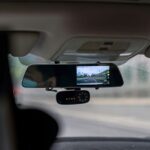
You’re driving down CTE during evening rush hour when-bam-a car swerves into your lane and clips your bumper. No witnesses. He denies everything. Without proof, it’s your word against his. That’s where a dashcam becomes your silent, unblinking witness. In Singapore’s dense traffic and frequent accident disputes, having video evidence isn’t just helpful-it’s vital. Insurance claims move faster, false accusations get dropped, and peace of mind stays high. Even minor knock-kneed incidents at HDB carparks can spiral without footage. With rising cases of insurance fraud and hit-and-runs, relying on memory or goodwill is risky. A solid dashcam records every detail-time, date, speed, even impact force. Any driver who values fairness and protection should treat this device like a seatbelt. The cost? A fraction of one month’s car insurance.
View Products & Guides
Different types of cams you’ll see in the shops today
Walk into any electronics store and you’ll spot half a dozen dashcam styles. Some are tiny and discreet, others look like mini security hubs glued to your windshield.
- Single-channel cams record only the front view-most common and budget-friendly
- Front and cabin models add an interior lens, useful for ride-hailing drivers
- Front and rear kits cover both ends of your car, ideal for frequent reverse parking
- 360-degree systems give full coverage but cost significantly more
- Wi-Fi enabled versions let you view clips on your phone instantly
Any choice you make should match how and where you drive. The right one turns chaos into clarity.
| Type | Best For |
|---|---|
| Single-channel | Everyday city driving, basic proof in accidents |
| Front + cabin | Ride-hailing drivers, passenger disputes |
| Front + rear | HDB carparks, frequent reversing |
| 360-degree | Luxury vehicles, maximum coverage |
| Wi-Fi enabled | Quick evidence sharing, real-time playback |
Factors that’ll help you pick the right one for your budget
Price tags range from $50 to over $500-but you don’t need the most expensive to stay protected. Resolution matters: 1080p is standard, but 2K or 4K gives clearer license plate shots. Look for night vision-Singapore’s well-lit, but shadows hide details. Parking mode is a game-changer; it records even when your car’s off. And don’t skip loop recording-it reuses old footage so you never run out of space. The smartest buy balances features with actual need.
- Storage capacity – 32GB to 128GB, affects how long clips are kept
- Field of view – 120° to 170°, wider means more scene captured
- GPS logging – tracks speed and location, useful for disputes
- Power source – hardwired vs. cigarette lighter, impacts neatness
- Weather resistance – matters for rear cams exposed to rain
The best dashcam isn’t the flashiest-it’s the one that works when you need it most.
Think about it: would you rather argue with an adjuster or just hit play? A mid-range model with solid night vision and loop recording covers 95% of real-world scenarios. Brands like Vava, BlackVue, and Thinkware offer reliable options
Phone Mounts: Finding One That Won’t Just Fall Off in the Heat
You’re halfway through a sweltering drive down East Coast Parkway, GPS guiding you to a new hawker spot, when-*clunk*-your phone slaps the dashboard. Again. Singapore’s tropical climate doesn’t just test your patience-it melts cheap adhesives and warps flimsy plastics. A good phone mount here needs to survive constant sun exposure, sudden downpours, and daily on-off cycles without failing you mid-turn.

The real deal about different mount types and where they go
Some mounts stick to your windshield, others clip onto air vents or grip your dashboard. Each has its sweet spot-literally. Vent mounts keep your phone in sight without blocking your view, while dash mounts offer more flexibility in positioning. Windshield mounts give the clearest line of sight but can leave residue. Assume that
| Mount Type | Best Placement |
| Vent Clip | Horizontal AC vents |
| Adhesive Dash | Flat dashboard near windshield |
| Suction Windshield | Upper corner of windshield |
| Magnetic | Dash or vent with metal plate |
View Products & Guides
Pros and cons of magnetic vs. clip-on styles for your vents
Magnetic mounts snap your phone into place with satisfying ease, while clip-on vent mounts rely on plastic arms to hold your device. One promises speed, the other stability-but both have trade-offs in Singapore’s heat and humidity. Here’s what you’re really signing up for:
| Magnetic Mount | Clip-On Vent Mount |
| Fast one-handed attachment | Requires two hands to adjust |
| Can rotate if phone is heavy | Stable once locked in |
| Metal plate may interfere with wireless charging | No extra hardware needed |
| Strong magnet may affect compass | No magnetic interference |
| Works with most cases | May not fit thick or large phones |
| Heat can weaken adhesive on metal plate | Plastic arms may crack over time |
| Clean look-no bulky holder | Bulkier, can block vent airflow |
| Easy to misalign when mounting | Fixed position, less wobble |
| Best for quick access | More secure on bumpy roads |
Think about how often you pull your phone in and out: magnetic mounts win for convenience, but clip-ons give you peace of mind when you hit a pothole on a back road. The magnet might feel slick at first, but if your phone’s heavy or you’ve got a case with a battery pack, it could slowly tilt or drop. Clip-ons hold firm, but fumbling to reposition them while driving? Not ideal. Your driving style and phone size should decide this battle.
Tips for keeping your phone cool while you’re using GPS
Your phone cooking on the dashboard isn’t just uncomfortable-it can trigger thermal throttling or even shut down mid-navigation. Direct sun turns your car into a convection oven, and your GPS-dependent device pays the price. Keep it sane with these simple moves:
- Use a vent mount to keep airflow hitting the phone
- Stick to dark-tinted areas of the dash to reduce sun exposure
- Enable dark mode on your maps app to reduce screen heat
- Close unused apps to cut down on processor load
- Try a reflective windshield shade when parked
Any
Leaving your phone baking in direct sunlight for hours can degrade battery life over time-especially with constant GPS use. Even if it doesn’t

Let’s Talk About Interior Lighting and Why it Changes the Vibe
You ever get into your car at night and feel like you’re stepping into a cold, lifeless shell? A well-lit cabin can transform that experience completely. Interior lighting isn’t just about visibility-it shapes the mood, adds a touch of personal style, and can even improve nighttime safety by reducing eye strain. The right glow makes your drive feel more inviting, especially during Singapore’s frequent evening rains when everything outside looks gloomy.
Modern drivers aren’t settling for factory dome lights anymore. With customizable LED kits, you can turn your cabin into a cozy lounge or a sleek tech cockpit. The key is choosing the right type and placement-because bad lighting can be more distracting than helpful. After all, your car should feel like *yours*.
Different types of LED kits for your cabin and footwells
What kind of atmosphere are you trying to create? Warm white for a clean, OEM-like look? Or RGB for full color control and fun? The options go way beyond simple plug-and-play strips. After picking your vibe, match it with the right kit.
| Type | Best For |
|---|---|
| Single-color LED strips | Subtle, clean lighting under dash or footwells |
| RGB LED kits | Custom colors, mood lighting, app control |
| Addressable LEDs | Dynamic effects, music sync, advanced setups |
| Plug-and-play kits | Beginners, no wiring hassle |
| Hardwired kits | Permanent, cleaner look, tied to ignition |
Pros and cons of those cheap USB light strips you see online
Ever clicked “buy now” on a $5 LED strip because it looked cool in the ad? They’re tempting-but do they last? These budget lights promise instant glow-up, but reality often bites back. After scrolling past the flashy photos, here’s what you’re really getting.
| Pros | Cons |
|---|---|
| Cheap upfront cost | Overheat easily – fire risk in enclosed spaces |
| Easy to install – just plug into USB | Dim quickly – poor LED quality |
| Color options – some have RGB modes | Loose adhesive – peels off in weeks |
| No wiring needed | USB port overload – can damage car electronics |
| Portable – move between cars | No auto-off – drains battery if forgotten |
View Products & Guides
Those cheap strips might seem like a win, but they’re often a short-term fix with long-term headaches. You’ll save money at checkout but risk damaging your car’s electrical system or worse-starting a fire. After the novelty wears off, you’ll probably end up replacing them anyway. Spend a little more for a proper 12V kit-it’s safer, brighter, and actually stays put.
Step-by-step on how to hide those messy wires under the dashboard
Messy wires hanging under your car’s dashboard can make the interior look untidy and may even interfere with pedals or passengers’ feet. Start by gathering all loose cables, such as dash cam, GPS, phone charger, or accessory power cables, and bundle them together using cable ties or reusable Velcro straps. Before securing anything, ensure the cables are long enough to allow normal device operation without creating tension on the connectors.
Next, route the bundled cables along existing trim panels and underneath the dashboard rather than across open spaces. Many vehicles have gaps between plastic panels where wires can be tucked neatly using a plastic trim tool. Secure the cables with adhesive cable clips or mounting pads attached to hidden surfaces under the dashboard. Avoid placing wires near moving parts, airbag components, steering mechanisms, or pedals, as these areas can create safety hazards.
Finally, conceal any remaining visible sections using cable sleeves or wire loom tubing for a cleaner factory-style appearance. Test all connected devices to confirm they still function properly and check that no cables interfere with driving controls. Taking a few extra minutes to route and secure wires correctly can significantly improve the look of your vehicle’s interior while keeping cables protected from accidental damage.
Air Purifiers: Do They Really Clean the Air Inside the Car?
You’ve probably noticed more drivers in Singapore plugging in small devices that claim to clean the air inside their cars. With traffic congestion and humidity trapping pollutants, the idea of cleaner cabin air sounds appealing. But do these gadgets actually work? The truth is, not all air purifiers are created equal-some genuinely reduce allergens and odors, while others just circulate scented air without removing contaminants. Real filtration happens when the right technology is used.
Types of filters and ionizers you can buy for your cup holder
Compact air purifiers designed to fit in your cup holder often use HEPA filters, activated carbon, or ionizers to tackle airborne particles. Some combine multiple technologies for better results.
These mini units typically include:
- HEPA filters – trap dust, pollen, and fine particles
- Activated carbon – absorbs smoke and strong odors
- Negative ionizers – cause particles to clump and fall from the air
- UV-C light – kills bacteria and viruses (in higher-end models)
- Smart sensors – detect air quality and adjust output
Any device lacking true filtration may only mask smells instead of removing pollutants.
| Filter Type | What It Removes |
| HEPA | Dust, pollen, mold spores |
| Activated Carbon | Smoke, cooking smells, VOCs |
| Ionizer | Floaters like smoke and fine dust (but may produce ozone) |
| UV-C | Bacteria, viruses (if properly implemented) |
Pros and cons of plug-in vs. portable battery models
Plug-in models draw power from your 12V socket and tend to run stronger fans and filters. They’re always ready when you start the engine. But they tie up your power outlet and only work when the car’s on.
Battery-powered versions offer freedom of placement and can run briefly after parking. Yet, they need frequent recharging and often sacrifice performance for portability.
| Feature | Plug-in Models |
| Power Source | 12V socket – steady power |
| Performance | Higher airflow and filtration |
| Convenience | Always charged, but uses outlet |
| Runtime | Only while engine is on |
| Portability | Fixed location |
| Feature | Battery Models |
| Power Source | Internal battery – needs charging |
| Performance | Lower fan speed, weaker filtration |
| Portability | Move freely, even outside car |
View Products & Guides
Choosing between plug-in and battery models depends on your daily routine. If you drive often and want consistent air cleaning, a plug-in unit with a real HEPA filter makes more sense. But if you park in a garage and want to freshen the cabin before entering, a portable one with a decent carbon filter can help. Just don’t expect miracles from tiny ionizers that do little more than emit a faint
Blind Spot Mirrors: Are They Still Useful for Newer Drivers?
Many new cars in Singapore now come with advanced safety tech like blind spot detection systems, but that doesn’t make blind spot mirrors obsolete-especially for newer drivers still building confidence on busy roads. These small, convex add-ons give you a wider view of adjacent lanes, helping you spot vehicles that your side mirrors miss. While high-end models may have sensors, not every car on Singapore’s roads does, and even those that do can benefit from a visual backup. This makes stick-on blind spot mirrors a low-cost, high-impact safety upgrade.
Different types of stick-on mirrors you’ll find at the hardware store
You’ll typically see three main styles of blind spot mirrors at local hardware or automotive shops: round, rectangular, and wide-angle domes. Each offers a slightly different field of view and mounting option.
- Round mirrors – compact, less obtrusive, good for quick glances
- Rectangular mirrors – wider horizontal view, better for spotting bikes or scooters
- Dome mirrors – maximum coverage, but may distort edges slightly
- Adhesive type – some use sticky pads, others have adjustable arms
- Size – ranges from 1 to 2 inches; bigger isn’t always better
This helps you pick the right one based on your car’s mirror shape and your driving habits.
| Type | Best For |
|---|---|
| Round | Drivers wanting minimal visual clutter |
| Rectangular | Seeing full lane coverage, especially on expressways |
| Dome | Maximizing peripheral vision in tight city traffic |
| Adhesive-only | Quick, tool-free installation |
Factors for placing them so you actually see what’s in the next lane
About 60% of blind spot accidents happen because the mirror is poorly positioned, not because it’s missing. The placement of your stick-on mirror determines whether it helps or just blocks your view. It should sit at the outer edge of your side mirror, angled slightly outward.
- Outer corner – gives overlap between main mirror and add-on
- Angle – tilt it so you see the edge of your car and part of the next lane
- Eye level – align with your seated line of sight
- No overlap – avoid duplicating what your main mirror already shows
- Test before final stick – adjust while someone walks or drives beside you
Knowing where to place it turns a gimmick into a real safety tool.
Getting the angle right means you don’t have to tilt your head excessively when changing lanes-especially helpful during sudden merges on the ECP or KPE. If the mirror is too far in, you’ll just see your own car; too far out, and you lose the lane behind. A quick test: sit in your normal driving position and check if you can see a person walking alongside your car from the B-pillar outward. Knowing this small detail can prevent a side-swipe in heavy traffic.
Step-by-step guide to sticking them on so they don’t fall off in the rain
It’s frustrating when your blind spot mirror peels off after the first downpour-especially during monsoon season. The key isn’t just where you place it, but how you prep the surface before sticking. The fall apart after a few washes and leave micro-scratches you’ll regret later.
Tips
Surface Cleaning: First, wipe the mirror with an alcohol wipe or soapy water, then dry it with a lint-free towel. Recommended for Plush Microfiber—ideal for paint, glass, and delicate surfaces; Waffle Weave is ideal for drying and absorbing moisture, while Edgeless Cloths offer swirl-free cleaning. Avoid low-GSM rags since they can cause scratches. The advantages include immediate cleanup, protection of resale value, swift solutions, and peace of mind.
Heat damage, limited storage space, increased weight, clutter, and chemical scents are all potential drawbacks. Choose the sensor type based on your needs. External for cost-effectiveness, internal for newer models, indirect for factory-installed systems, or universal Bluetooth for aftermarket use.
Choose a Disc Lock for deterrence, an Electronic Steering Lock for increased security, a GPS Tracker for quick recovery, or a Bluetooth Finder for short-range retrieval. The advantages include remote monitoring, GPS recovery, interaction with smart systems, and geofencing capabilities.
However, a reliable internet connection is required, and there may be false alerts, membership fees, and privacy concerns.
In terms of materials, consider carpet for aesthetics, vinyl for affordability, TPR for daily use, coil for difficult terrain, and custom rubber for further protection. Their benefits include a flawless fit, waterproofing, and an OEM appearance. The disadvantages include expensive costs, removal difficulty, weight issues, and moisture entrapment.
Batteries range from Lithium-ion to Mini Jump Starters, and adapters include Aux-in Bluetooth, FM transmitter, USB-powered receiver, and aftermarket head units. Installation can be done yourself for more control or by professionals for expert service. Key aspects to look for are smooth integration, stress-free operating, and long-term dependability.