Why health and wellness are most important in fast-paced Singapore.
Most people in Singapore chase productivity like it’s the finish line of a marathon-working late, skipping meals, surviving on kopi and willpower. But burnout isn’t a badge of honor-it’s a one-way ticket to chronic stress, weight gain, and weakened immunity. You’re not immune just because you’re young or “used to it.”
And when the city never slows down, your body pays the price-high blood pressure, anxiety, even heart issues creep in silently. But here’s the good part: small, consistent habits-like walking during lunch or unplugging after 8 PM-can flip the script.
You don’t need a full life overhaul-just awareness and action. Because in a place where hustle is normal, choosing well-being is actually rebellious. And honestly, it’s the smartest rebellion you’ll ever make.
View Products & Information
Honestly, why’s everyone in such a rush?
You’re not imagining it-Singapore moves at warp speed. People sprint through MRT stations, queue for coffee like it’s a race, and treat lunch breaks like transactions. It’s normal to feel like you’re lagging if you stop to breathe. But here’s the kicker: that constant sprint isn’t making you more productive-it’s quietly draining your health.
The kiasu mindset is actually killing our vibe
You’ve felt it-that twitch of anxiety when someone gets ahead, that need to be first, best, fastest. The kiasu habit-always fearing you’ll miss out-might’ve helped you win school prizes, but now? It’s eroding your peace. Chasing every edge is costing you sleep, joy, even relationships-and for what?
How the 9-to-9 grind messes with your head
Twelve hours at work doesn’t make you a hero-it makes you exhausted. Your brain wasn’t built to focus nonstop, yet you push through emails, meetings, deadlines… and still feel behind. Chronic stress rewires your mind, dulling focus, spiking anxiety, and making burnout not if-but when.
Think about it-your body runs on rhythms, not marathons. When you skip breaks, eat at your desk, and answer messages at midnight, you’re not being disciplined. You’re teaching your nervous system to stay in red-alert mode. Cortisol stays high. Sleep suffers. Mood swings kick in. Your immune system weakens. And the worst part? You start thinking this is normal. It’s not. It’s dangerous. And it’s completely avoidable.
My take on why we can’t just live on hawker food
You grab chicken rice for lunch, mee pok for dinner, and roti prata as a late-night snack-sound familiar? While Singapore’s hawker fare is delicious and deeply woven into our culture, relying on it daily means sky-high sodium, sugar, and saturated fat without enough fibre or nutrients. These meals fuel your day but can quietly harm your long-term health if you’re not careful.
Finding a balance with all those delicious calories
You don’t have to give up your favourite hawker dishes-just tweak how often and how much you eat. Swapping white rice for brown when possible, adding more vegetables, and skipping the extra sambal or fried topping goes a long way. Small changes beat drastic restrictions any day, especially when you actually enjoy the food.
Why the “too tired to exercise” excuse doesn’t work
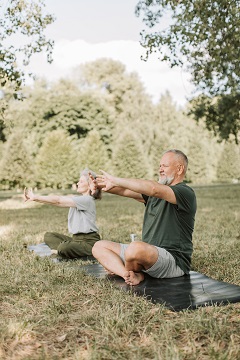
You come home after a 12-hour workday, crash on the couch, and tell yourself you’ll start tomorrow. But that same tomorrow never comes. Chronic fatigue isn’t just from work-it’s often from poor sleep, bad diet, and zero movement. The truth? Exercise actually gives you more energy, not less.
Think about it-when was the last time you felt completely drained after a 20-minute walk? Most of the time, moving your body-even lightly-boosts circulation, clears your mind, and reduces stress. Sitting all day tanks your energy levels far more than any workout ever could. And no, your busy schedule doesn’t cancel out biology. Your body was built to move, not stagnate in front of a screen until bedtime. You’re not too tired to exercise-you’re tired because you’re not exercising.
View Products & Information
The real deal about our mental state in this city
Singapore’s pace doesn’t just test your stamina – it quietly chips away at your mind. You’re juggling deadlines, commutes, expectations, and somehow still expected to smile through it all. The truth? Burnout isn’t rare here – it’s almost normal. And pretending you’re fine won’t protect you; it just delays the breaking point.
It’s totally okay to admit you’re feeling burnt out
You don’t have to earn the right to be tired. Feeling drained, irritable, or just… empty? That’s not weakness – it’s a signal. So many people push through until they crash, thinking rest is a reward. But here’s the flip: rest is protection. And admitting you’re struggling? That’s strength in action.
Why you’ve got to turn off your work chats at night
Your brain doesn’t clock out just because you close your laptop. If your phone keeps pinging with work messages after hours, you’re never really switching off. That constant buzz trains your nervous system to stay on high alert – and that’s a fast track to anxiety and poor sleep. Peace starts when the notifications stop.
Think about it – every time you glance at a late-night message, your body tenses, even if you don’t notice. That low-grade stress piles up, night after night. You might think you’re being responsible, but you’re actually eroding your focus, mood, and long-term health. Set a boundary: after 8 PM, work can wait. Your calm is worth more than an instant reply.
Seriously, why aren’t we sleeping more?
You’re not lazy for wanting to crash early-you’re human. In a city where hustle culture wears exhaustion like a badge of honor, skipping sleep feels like productivity… until your focus tanks, your mood frays, and your immune system throws in the towel. And yet, you keep scrolling, working, worrying-like rest is something you earn, not something you need.
The truth about revenge bedtime procrastination
You reclaim your evening by staying up late, scrolling mindlessly-not because you’re busy, but because it’s the only time you feel in control. This isn’t laziness-it’s burnout in disguise. You trade tomorrow’s energy for tonight’s illusion of freedom, and your body pays the price. Sound familiar?
Making rest feel like a win instead of a waste
Rest isn’t downtime-it’s maintenance. When you sleep, your brain clears toxins, your cells repair, and your mind resets. Treating sleep like a victory, not a chore, flips the script. You’re not “wasting” hours-you’re investing in sharper focus, better moods, and real resilience.
Think of sleep like charging your phone-you wouldn’t yell at it for needing a power bank, so why guilt-trip yourself? Every hour you rest is a deposit in your mental clarity and emotional balance. You perform better, think clearer, and handle stress like a pro. Reframe rest as performance fuel, not laziness. Because it’s not about doing more-it’s about being human. And that’s enough.
View Products & Information
What’s the point of success if you’re too sick to enjoy it?
You’ve hit every career milestone, maxed out your bonuses, and finally got that corner office… but you’re spending weekends in bed with migraines. Singapore’s grind doesn’t stop for burnout – and neither do you, until your body forces you to. What good is all that success if you’re too exhausted to taste the coffee you worked 80 hours to afford?
Thinking about the long game for your body
Your body isn’t a rental – it’s the only one you’re getting. Pushing through chronic fatigue or ignoring back pain might keep you in the race today, but it’s quietly setting you up for long-term damage. So ask yourself: are you building a life you can actually live in 10 years – or just surviving until you collapse?
Investing in yourself and not just your CPF
You religiously top up your CPF, but when was the last time you actually prioritized a doctor’s visit? Health isn’t a luxury – it’s the foundation of everything else. Because what’s the point of a fat retirement account if you’re too unwell to enjoy it?
Let’s be real – you wouldn’t skip servicing your car for years, so why do it to your body? That annual health screening? It’s not just a checkbox – it can catch silent issues like high blood pressure or prediabetes before they become emergencies. And yes, gym memberships, therapy, even better sleep – they’re not indulgences. They’re deposits in your personal well-being bank. You can’t out-earn a broken body. So while you’re busy building financial security, don’t forget the one asset you can’t replace – you.
Summing up
Taking this into account, you’ve probably heard people say that grinding harder in Singapore means you can skip sleep, skip meals, just push through… like your body doesn’t matter. But it does. Your energy, focus, even your mood – they all tank when you ignore health. So chasing success while wrecking your wellness? That’s not winning. You burn out faster than your phone on a Monday morning. Staying well isn’t a side hustle – it’s the foundation. You can’t crush your goals if you’re running on fumes. Prioritize sleep, move daily, eat like you actually like yourself. Because in this city, keeping your health isn’t optional – it’s how you stay in the game, long-term.
View Products & Information
Health & Wellness - Products


Health & Wellness - Guides

FAQ
Q: Why do people in Singapore struggle so much with work-life balance?
My cousin Jiaying worked in a law firm in Raffles Place. She used to pull all-nighters three times a week. By the time she was 32, she was on medication for high blood pressure and anxiety. She’s not alone. A lot of professionals here treat burnout like a badge of honor – like if you’re not exhausted, you’re not trying hard enough. The city runs on speed. MRTs are packed by 7:30 a.m., offices expect replies at midnight, and “I’m so busy” is practically a greeting. This constant grind chips away at mental and physical health. And when your body’s always in overdrive, it’s not a matter of if something breaks – it’s when.
Q: How does the fast pace of Singapore affect mental health?
Have you ever stood in a hawker centre during lunch hour and just felt… overwhelmed? That’s kind of what living here feels like mentally for a lot of people. The pressure to perform – in school, at work, even socially – never really lets up. Teenagers are popping anti-anxiety meds. Young adults are calling in “mental health days” because Sundays aren’t enough to recover from the week. And let’s be real – therapy still carries a stigma, so a lot of people suffer quietly. Mental fatigue isn’t just about feeling tired. It’s about losing joy in things you used to love. It’s zoning out during dinner with your family because your brain won’t shut off. When the city never sleeps, neither do our worries.
Q: Isn’t eating healthy easy with all the gyms and organic stores around?
Walk past any gym in Tiong Bahru or Tanjong Pagar at 8 p.m. and sure – it’s packed. But how many of those people are there because they genuinely care about fitness, and how many are just trying to undo six hours of sitting at a desk? We’ve got cold-pressed juice bars on every corner and quinoa bowls for $22, but hawker stalls still rule lunchtime. And honestly? After a 10-hour day, who’s really meal prepping kale salads? Most of us grab a plate of chicken rice and call it a day. It’s not that healthy options aren’t available – it’s that time and energy are in short supply. You can’t out-supplement a lifestyle that runs on stress and sleep deprivation.
Q: Why should companies care about employee wellness?
I know a startup founder who gave his team free massages every Friday. Great perk, right? Except they were scheduled during lunch – so employees had to skip eating to use them. Wellness isn’t about perks. It’s about culture. If your staff are too scared to take sick leave, or feel guilty for logging off at 6 p.m., no yoga class is going to fix that. Burnt-out employees make more mistakes. They disengage. They quit. And in a tight job market, losing talent over preventable stress? That’s just bad business. Healthy teams are more creative, more present, and actually enjoy showing up. That’s not fluff – that’s productivity with a pulse.
Q: Can small lifestyle changes really make a difference in such a hectic environment?
Look, I’m not saying you need to quit your job and move to a farm in Lim Chu Kang. But what if you just… walked? Not on a treadmill, not in a Peloton class – just walked. From the MRT to work. During lunch. With your kid after dinner. Or what if you turned off notifications after 9 p.m. and actually slept? Or swapped one instant noodle dinner a week for something with actual vegetables? These aren’t grand gestures. They’re tiny rebellions against the rush. And over time, they add up. You don’t need a perfect routine. You need one that fits your real life. Because health isn’t about extremes – it’s about showing up for yourself, in small ways, every single day.