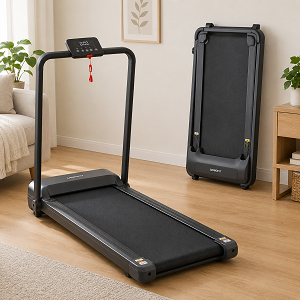
The advantages and disadvantages of having Walking Pads / Foldable Treadmills in your HDB house.
Over the last few years, more HDB residents like you have been squeezing fitness into tight living spaces-often with a foldable treadmill or walking pad tucked beside the sofa. You’re probably thinking: can this actually work in a 4-room flat? And more importantly, is it worth the money, noise, and floor space? These compact machines promise daily steps without leaving home… but they come with real trade-offs.
You save space-yes, some models fold up vertically and fit in a closet-which is a big win when your living room doubles as a gym. But don’t ignore the downsides: motor burnout on cheaper units, the hum that bugs your downstairs neighbour, and the temptation to use it as a clothes rack. Real talk-how often will you *actually* walk at 2km/h while watching Netflix?
They’re great for light daily movement, not intense workouts. If you want to stay active without commuting to a gym, a walking pad helps. But if you’re aiming for jogging or HIIT, you’ll quickly hit its limits. And floor protection? Non-negotiable. Without a mat, you risk damaging your BTO’s flooring-or worse, voiding your warranty.
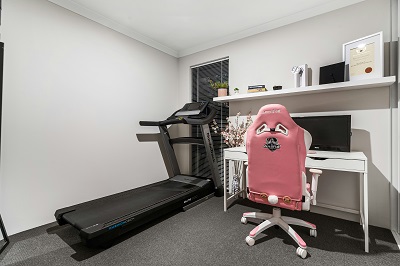
These factors are actually super important before you buy
- Weight limits affect both performance and safety
- Folded dimensions determine if it fits in your HDB flat
- Floor space needed during use matters in tight rooms
- Noise level impacts neighbors in shared walls
You’ll regret skipping these details later. Assume that.
Weight limits and why they matter for your safety
Your weight impacts how the motor and belt perform over time. Exceeding the maximum user weight can cause sudden shutdowns or even motor burnout. Worse? It might stop mid-stride, making you trip. Don’t assume the listed number has wiggle room-most brands test under ideal conditions. Stay safe-stick to the limit.
Storage height: Will it really fit under your bed?
Most HDB beds have limited clearance-often just 25-30cm. Check your bed’s gap before assuming your foldable treadmill will slide under. Some “slim” models still hit 35cm tall when folded. Measure twice. That “space-saving” design might end up blocking your doorway instead.
Think your bed is high enough? Many don’t realize how little space there actually is beneath standard HDB-issue beds. Even a few extra centimeters over 30cm means it won’t fit. And if you’re stacking it in a closet instead, will the hallway allow it to tilt through? Storage height isn’t just about vertical space-it’s about maneuverability too. Measure your path, not just the final spot.
Here’s my step-by-step guide to getting started
Setting up your walking pad in an HDB flat doesn’t have to be stressful – if you know where to begin. Below is a simple breakdown to keep things smooth, quiet, and space-smart.
| Step | Action |
| 1 | Unbox and inspect all parts – make sure nothing’s damaged from delivery |
| 2 | Check your floor’s flatness with a level app or tool |
| 3 | Assemble the frame and belt following the manual – don’t skip this |
| 4 | Plug in and power on – listen for any odd sounds |
| 5 | Calibrate the speed and incline using test walks |
| 6 | Store folded – test the folding mechanism early so you’re not scrambling later |
Finding the perfect flat spot in your living room
Ever tried using a walking pad on a slightly sloped floor? Trust me, it’s a one-way ticket to shaky steps and weird noises. Start by picking a spot near a power outlet but away from high-traffic zones – you don’t want your kid or cat darting under it mid-walk. Concrete or tile floors work best – avoid rugs or uneven surfaces. Use a spirit level or phone app to confirm it’s truly flat. Even a small tilt can mess with the belt alignment over time.
Calibrating the machine so it doesn’t drive you crazy
That annoying wobble or uneven belt pull? Yeah, it’s not just in your head – it’s uncalibrated. Most pads come from the factory slightly off, so your first few walks should be slow and intentional. Start at the lowest speed and pay attention to how the belt feels underfoot. If it drags on one side or squeaks, stop – it needs adjustment. This isn’t optional; skipping calibration risks long-term damage and a much shorter lifespan.
So you’ve powered it on and stepped on – now what? Walk for 2-3 minutes at 1-2 km/h and watch the belt’s movement from the side. If it drifts left or right, most models have a hex key or screw on the rear roller to tweak tension. Turn it a quarter-turn at a time. Too tight? The motor strains. Too loose? The belt slips. Perfect calibration means smooth, centered motion with zero wobble. And hey, if it still feels off, consult the manual – some brands need firmware updates via USB. Don’t ignore it. A well-calibrated pad is quiet, safe, and actually enjoyable to use.
My best tips for living with a treadmill in a flat
- Use a rubber mat to reduce noise and protect your HDB floor
- Fold it up and store vertically when not in use
- Keep it in a well-ventilated spot to avoid overheating
- Wipe down the running belt after each use
- Stick to a schedule so it doesn’t disrupt household peace
Assume that your treadmill isn’t just exercise gear-it’s part of your home now. Treat it like furniture that needs care, space, and daily attention.
Using rubber mats to keep the vibration down
You’d be shocked how much noise a walking pad makes on laminate or tiled floors. A thick rubber mat isn’t optional-it’s a must. It cushions impact, stops the unit from sliding, and keeps your downstairs neighbours from banging on the ceiling. Without one, every step echoes like a drumroll through the flat.
Maintenance hacks to keep it running like new
Most people ignore the belt until it squeaks or slips. Don’t wait. Clean the deck weekly with a dry microfiber cloth and check the belt tension monthly. A quick wipe and a loose-tight check keeps your walking pad smooth and quiet. Assume that neglect turns small issues into dead motors.
Because treadmills in small flats face more dust and less airflow, they wear faster. After every few uses, unplug the unit and vacuum around the base-dust bunnies love the motor vents. Every few months, lift the belt slightly and check for debris buildup underneath. A dry, clean treadmill runs cooler and lasts years longer. And yes-lubricating the belt (if your model allows it) with 100% silicone spray makes a huge difference. Skip it, and you’ll hear that grinding noise way too soon.
Summing up
From above, you might think a walking pad or foldable treadmill is just a space-saving fix for small HDB flats – but it’s more than that. You get daily movement without leaving home, yes, but you also face noise complaints from downstairs neighbours and the temptation to use it as a clothes rack. It works if you’re consistent, but let’s be real – how often does it end up folded behind the couch? Your flat’s layout and lifestyle decide whether it’s a smart buy or just another dust collector. Be honest with yourself about how much you’ll actually walk.
FAQ
Q: Can you actually fit a walking pad or foldable treadmill in an HDB flat without turning your living room into a gym?
A: Honestly, yes – that’s the whole point. Most walking pads are about the size of a yoga mat when folded, so they tuck under the bed or slide into a corner like a forgotten suitcase. Foldable treadmills take up a bit more space, sure, but they’re designed with small homes in mind. You’re not lugging in a commercial-grade beast – these are slim, lightweight, and meant to disappear when not in use. And if you’ve got a dining area that doubles as a workout zone? Just roll it out after dinner, walk while watching Netflix, then fold it up and stash it behind the couch. It’s not perfect – you’ll need to clear a path each time – but for HDB dwellers, it’s about smart compromises. The real win? You don’t need a gym membership or a 20-minute walk to the nearest park just to get steps in.
Q: Will your downstairs neighbour start banging on the ceiling every time you step on the pad?
A: Maybe. Depends on your floor setup and how heavy-footed you are. Walking pads are quieter than regular treadmills, but they still transfer vibration. If you’re on the 3rd floor with nothing but concrete below, you’re probably fine. But if you’re on the 10th floor with thin flooring and a sensitive neighbour? Could be an issue. I’ve seen people use anti-vibration mats – the kind you’d put under a washing machine – and that helps a lot. And don’t walk like you’re stomping grapes – keep your stride light. Run? Forget it. Even a slow jog can sound like someone dragging a sack of potatoes upstairs. Stick to walking, use a mat, and maybe leave a note with your number just in case. Better safe than sorry.
Q: Are these things actually worth it, or just expensive glorified rugs?
A: Depends how you use them. If you buy one and let it collect dust under your bed for six months? Yeah, it’s a waste. But if you actually walk while working, watching TV, or just burning off that extra plate of chicken rice? It adds up. I’ve had mine for a year and I average 3-4 km a day just pacing during calls. That’s like walking from Tiong Bahru to Orchard and back – over time. No, it won’t replace proper cardio or outdoor walks in the park. But it’s about consistency, not intensity. And let’s be real – motivation drops when it’s raining or 33°C outside. Having something at home removes the excuse. Is it magic? No. But is it better than sitting all day? Absolutely.
Q: What about the noise – can you use it while the kids are napping or your partner’s on a Zoom call?
A: It’s not silent. There’s a low motor hum and the sound of your feet tapping – like a quiet treadmill at the gym. Not loud, but noticeable in a quiet room. If the baby’s a light sleeper, maybe avoid using it in the same room. But if it’s in the living room and the nursery’s down the hall with the door closed? Probably fine. I use mine on mute mode – no beeps – and keep the speed under 4 km/h. That keeps the noise down. And honestly, the TV or a fan running in the background usually drowns it out. Just don’t expect to sneak in a 6 am session without someone noticing.
Q: Do foldable treadmills break easily or turn into expensive clothes racks after a few months?
A: Some do. Not all models are built the same. Cheaper ones – think under $400 – might wobble after a few weeks or have motors that overheat. I’ve read reviews where people say their pad died after three months of daily use. Ouch. But mid-range to higher-end models (think $600-$900) tend to hold up much better, especially if you’re just walking. Check the weight limit too – some only support up to 100kg. If you’re over that, you’re pushing your luck. And maintenance? Wipe it down once in a while, don’t spill water on it, and don’t slam it when folding. Treat it like a decent appliance, not a toy, and it’ll last. But yeah – buyer beware. Read real user reviews, not just the shiny ads