How to Organize Too Much Furniture in a Small HDB Flat in Singapore
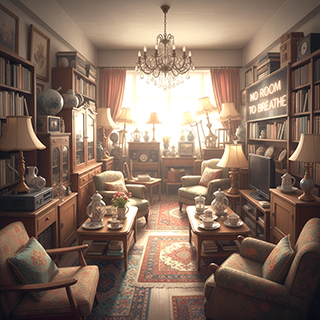
For many families in Singapore, the problem is not that the flat is too small—it is that decades of accumulated furniture were designed for larger homes and different lifestyles.
The first step is to recognize a difficult truth: a small HDB flat cannot support large, single-purpose furniture in every room. Every item must either serve multiple functions or earn its footprint.
1. Audit Every Large Item
Create four categories:
| Keep | Replace | Store Elsewhere | Dispose |
|---|---|---|---|
| Used daily | Too large but necessary | Sentimental items | Unused for 1+ years |
| Essential beds | Massive wardrobes | Family heirlooms | Broken furniture |
| Dining table | Bulky cabinets | Seasonal items | Duplicate appliances |
Ask these questions:
- Does this item get used every week?
- Can another item perform the same function?
- Is it blocking airflow or walking paths?
- Can it be replaced by a vertical solution?
If the answer is no, it should leave the home.
2. Replace Horizontal Furniture With Vertical Storage
Many old HDB homes waste space by expanding outward.
Instead of:
❌ Three low cabinets.
Use:
✅ One ceiling-height cabinet.
Instead of:
❌ Multiple shoe racks.
Use:
✅ Over-door or wall-mounted organizers.
Instead of:
❌ Separate bookcases.
Use:
✅ Floating shelves above desks and beds.
Vertical space is often the most underutilized asset in Singapore flats.
Vertical Storage/Cabinets
3. Eliminate Giant Wardrobes
Traditional wardrobes consume enormous floor areas.
Consider:
- Modular wardrobes.
- Open hanging systems.
- Under-bed storage drawers.
- Vacuum-sealed bags for seasonal clothing.
- Shared family linen storage.
Open Hanging Systems
The goal is to reduce the furniture footprint while maintaining storage volume.
Telescopic Clothes Rod Perforation-Free Wall Fixed Drying Rack Curtain Rod伸缩晾衣杆
4. Choose Multi-Functional Furniture
Every major purchase should perform at least two functions.
Examples:
| Traditional Item | Better Alternative |
|---|---|
| Coffee table | Coffee table with storage |
| Guest bed | Sofa bed |
| Study desk | Fold-down wall desk |
| Dining table | Extendable or foldable table |
| Ottoman | Storage bench |
| TV console | Wall-mounted television with floating shelves |
Single-purpose furniture is a luxury in compact homes.
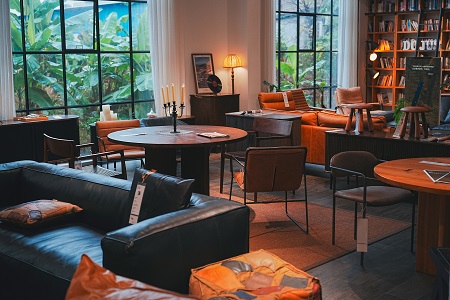
5. Create Clear Walkways
A practical rule:
- Main walking paths should remain completely clear.
- No furniture should force people to turn sideways to pass.
- Doors should open fully.
- Windows must remain accessible for ventilation.
If movement inside the flat feels like navigating obstacles, there is simply too much furniture.
6. Remove “Just In Case” Storage
Many households keep:
- Old electronics.
- Broken appliances.
- Spare chairs.
- Unused mattresses.
- Empty containers.
- Children’s items from decades ago.
Storage should support current living, not preserve every object from the past.
A useful principle:
If replacing an item costs less than storing it for years, keeping it may not be worthwhile.
7. Room-by-Room Suggestions
Living Room
Remove:
- Extra armchairs.
- Oversized TV consoles.
- Decorative cabinets.
Add:
- Wall-mounted TV.
- Storage ottoman.
- Foldable dining table.
Storage Ottoman
Bedrooms
Replace:
- Large wardrobes.
- Separate dressing tables.
- Bulky side tables.
With:
Kitchen
Use:
- Magnetic knife strips.
- Hanging pot racks.
- Wall spice racks.
- Slim rolling carts.
- Stackable containers.
Countertops should remain mostly clear.
8. The 80/20 Rule
Most families use:
- 20% of their belongings 80% of the time.
The remaining 80% often consumes most of the living space.
Before buying new storage furniture, ask:
Am I solving a storage problem, or am I preserving things I no longer need?
Adding more cupboards to hold unnecessary items often makes a small HDB feel even smaller.
A Practical Philosophy for Small HDB Living
For compact Singapore homes:
- Buy less.
- Store vertically.
- Choose multi-purpose furniture.
- Keep walkways open.
- Let every room serve multiple functions.
- Regularly declutter.
The objective is not to fit more furniture into the flat. The objective is to make the home easier, safer, and more pleasant for the people living in it.