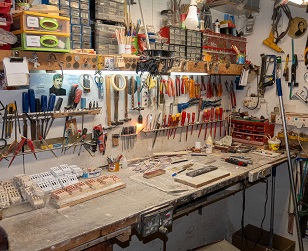
Best Places to Set Up a Home Workshop in an HDB Home
Most HDB homeowners think they don’t have space for a proper workshop-but you’d be surprised how much you can do in tight quarters. You just need the right spot, one that keeps noise, dust, and safety risks under control. And no, your kitchen table isn’t it.
Setting up near a window or balcony? Smart move-ventilation is non-negotiable when sanding or gluing. But watch out: open flames or high-wattage tools near curtains or water sources? That’s a fire or electrocution risk waiting to happen.
Your best bet? A dedicated corner in the living room, underutilized storage nook, or even a modified common corridor-if HDB rules allow. Foldable tables, magnetic tool strips, and compact storage keep things tidy and out of the way.
Just because you’re in an HDB doesn’t mean you can’t build, fix, or tinker. You’ve got space. You’ve got options. Now go make something.
So, what factors actually matter when you’re picking a spot?
- Your available space determines what kind of tools you can use
- Natural light reduces eye strain and makes detailed work easier
- Noise levels affect both your focus and your neighbours’ patience
- Power access near your workbench saves you from messy extension cords
- Ventilation matters more than you think-especially with dust or fumes
Assume that even a small corner can work-if you plan it right.
My take on the space and light situation
Some folks squeeze a foldable table into the living room, while others claim the entire balcony. The real game-changer? Natural light by day and good task lighting at night. You’ll notice fewer mistakes, less fatigue, and better moods. A dim, cramped spot kills motivation fast-don’t underestimate how much brightness affects your workflow.
Don’t forget about the noise factor
Power tools aren’t exactly quiet-your neighbours will know when you’re sanding at 7 PM. Noise can turn your hobby into a household headache. Assume that even moderate sounds travel through walls and floors in HDB flats.
Think about it-your trusty jigsaw might sound fine to you, but through the ceiling below, it’s a constant buzz that grates on nerves. Drilling, hammering, even the hum of a router adds up over time. And yes, your downstairs neighbour *will* notice. Keep sessions short during quiet hours, or invest in sound-dampening mats. Better yet, schedule loud work for weekends when people expect a bit of chaos. Respect the shared walls-it keeps peace in the long run.
Why I think the living room’s actually a solid bet
You’d be surprised how many HDB homeowners quietly run mini workbenches right in their living rooms. Space is tight, sure, but this area often has the most natural light and foot traffic flow – which means you’re less likely to forget a project mid-swing. Visibility keeps your hobby alive, not buried in a cupboard. After all, if you can’t see your tools, you won’t use them.
How to carve out a corner without making a mess
One 2m stretch near a window can become your go-to zone with just a fold-down table and slim storage. Use a low shelving unit as a visual barrier – it breaks the space without blocking light. Keep it tidy with labeled bins and a caddy for daily tools. After a few weeks, it’ll feel like the corner was always meant for building things.
Tips for keeping your tools out of sight
- Slide a rolling tool cart under the TV console when not in use
- Use decorative baskets to hide clippers, pliers, and screwdrivers
- Mount a pegboard behind a room divider or door
- Store power tools in a cushioned ottoman or bench seat
Out of sight doesn’t have to mean out of reach. A few smart storage swaps mean your drill won’t clash with your decor. Style and function can coexist – no need to choose. After you’ve tucked everything neatly away, guests won’t even guess you’re a weekend woodworker.
Honestly, the spare room is the real deal for most of us
You’ve got that extra room no one uses-maybe it’s stacked with forgotten boxes or doubling as a guest room you haven’t needed since 2019. That space? It’s your golden ticket. Turning it into a dedicated workshop means you can leave projects mid-build, tools out, and still keep the rest of the house sane. No more tripping over clamps in the living room-this is where real progress happens.
Making the most of every single inch
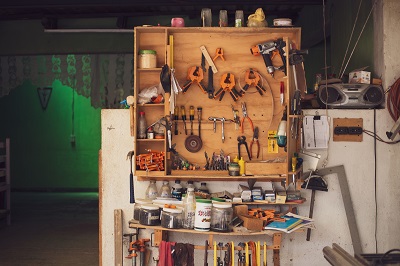
Wall space is your best friend when floor room runs out. Pegboards, magnetic strips, and floating shelves turn blank walls into tool real estate. Store vertically, tuck power strips behind, and use fold-down tables if you need surface only when working. Every cm counts-especially in an HDB-so stop thinking flat and start building up.
The real secret to soundproofing an HDB room
It’s not about thick walls-it’s about stopping vibration. Most noise sneaks through gaps and flanking paths, not the wall itself. Seal the door gap, add mass-loaded vinyl behind panels, and insist on a solid-core door. That’s where real quiet begins.
Think about it-your neighbour doesn’t hear your drill through the concrete… they hear it through the flimsy hollow door, the gap under it, the shared electrical sockets. Sound travels like water-find the leaks. Use acoustic caulk on outlets, install door sweeps, and hang heavy curtains. Even a DIY setup can cut 70% of noise if you target the weak points. It’s not about luxury materials-it’s about smart blocking.
Is the service yard really big enough for a workshop?
You’ve probably stood out there with a tape measure, wondering if that narrow strip behind your kitchen can actually work. Truth is, many HDB service yards-especially in older blocks-run about 1.2 to 1.5 meters wide, which isn’t much… but it’s enough if you plan smart. Mount your tools on pegboards, use fold-down workbenches, and go vertical. Just don’t forget to check with your town council-some modifications aren’t allowed.
Dealing with the heat and humidity out there
Ever tried sanding wood at noon in Singapore? It’s like working in a steam room. The service yard bakes under the sun, and that heat zaps your energy fast. Run a small exhaust fan near the ceiling to push hot air out, and consider a portable evaporative cooler-it won’t match AC, but it helps. And always keep a towel and water bottle nearby-dehydration sneaks up on you.
What’s the best way to handle all that dust?
You know that fine sawdust that gets everywhere? Out in the service yard, it clings to damp surfaces and drifts into your kitchen if you’re not careful. A shop vac with a HEPA filter is non-negotiable. Pair it with a simple dust shroud on your tools, and clean up immediately after each session. One slip and you’re tracking debris through the whole flat.
Let’s be real-dust control isn’t just about cleanliness. That fine particulate from MDF or sanding can be dangerous to your lungs over time, especially in an open area like the service yard. So don’t just sweep it away-suck it at the source. Use a vacuum-triggered power tool setup if you can; it kicks on the moment you start cutting. Hang a cheap plastic curtain on a tension rod during heavy jobs to create a temporary barrier. And clean the drain afterwards-clogged service yard grates are a neighbour complaint waiting to happen.
Here’s how to make a tiny HDB nook work for you
You’ve got a 1.5m gap between the fridge and the wall – boring, right? Turn it into your secret workshop zone. Measure twice, then pick slim, wall-mounted gear that folds or slides out only when needed. A little planning means you can sand, solder, or sketch without stepping on tools at 2am. Maximising dead space is the real win here – it’s not about size, it’s about smart use.
Why you seriously need a foldable workbench
Space vanishes fast in HDB flats, so a permanent bench isn’t practical. A foldable workbench tucks neatly against the wall when not in use – no tripping hazards, no clutter. When inspiration hits, you’ve got a solid surface in seconds. It’s the single best upgrade for small-space makers – sturdy, fast, and life-changing.
My favorite ways to organize a small space
Wall grids with pegboards keep tools visible and within reach – no more digging through drawers. Stackable bins label easily and slide under tables. Magnetic strips hold metal bits like screws or blades. You’ll save time and sanity by seeing everything at a glance. Less mess, more making.
Start with what you actually use – not what you *think* you should use. That rotary tool? Hang it. Screwdrivers? Peg it. Sandpaper? Slide it into a wall-mounted sleeve. Use tension rods under shelves to corral long items like rulers or paintbrushes. Vertical space is your hidden storage goldmine – don’t waste it. Rotate supplies seasonally if needed, but keep daily tools front and center. And yes, it’s okay to go overboard with labels – future-you will thank present-you when you’re not hunting for the Allen key… again.
Don’t get in trouble-here’s the real deal on HDB rules
You’ve probably seen those trendy home workshop reels on TikTok-woodworking in your HDB living room looks cool until the letter arrives. HDB actually allows light DIY work at home, but commercial-scale operations are strictly off-limits. No industrial tools, no constant noise, and absolutely no modifying load-bearing walls. Keep it small, keep it quiet, and you’ll stay on the right side of the rules.
Staying on your neighbors’ good side
Even if HDB says it’s allowed, your neighbor might not care about bylaws when you’re sanding at 7 PM. Noise travels fast in HDB flats-respect quiet hours (10 PM to 7 AM) and avoid weekend power tool marathons. A quick heads-up and maybe a muffin can go a long way. Because trust us, you don’t want passive-aggressive notes stuck to your door.
Making sure you don’t blow a fuse
Your flat’s circuit can’t handle everything you plug in at once. Running a table saw, dust collector, and lights all together? You’ll trip the breaker-or worse, overheat the wiring. Spread out high-wattage tools across different sockets and avoid extension cord daisy-chaining. Safety isn’t just about sparks-it’s about not killing your power mid-project.
Let’s be real-most HDB electrical systems were built for rice cookers and fans, not 1500W planers. Older blocks especially have tighter load limits, so check your MCB rating at the fuse box. If you’re adding multiple heavy tools, consider using them one at a time or upgrading your circuit with HDB and SP Group approval. Overloading doesn’t just trip switches-it can cause fires. And no cool project is worth that risk.
Conclusion
Hence, your HDB flat has more potential than you think. You don’t need a landed property to run a solid home workshop-just smart planning. The balcony? Great for messy projects if weather-proofed. The common living area, with foldable setups, works wonders when space is tight. And that underutilized corner beside the kitchen? Might be the perfect spot for a compact workbench. Space isn’t the issue-creativity is. So stop waiting for the ideal room. Start small. Use what you’ve got. You’d be surprised how much you can build in just a few square meters.
FAQ
Q: Where’s the most practical spot for a home workshop in a typical HDB flat?
Ever tried sanding wood on your dining table while someone’s trying to eat dinner? Yeah, not ideal. Most HDB flats don’t come with basements or garages, so you’ve got to get creative. The living room balcony – or what we call the “air-con ledge” if it’s tiny – is actually a solid starting point. If it’s enclosed and weatherproof, you can stash a fold-up workbench there. Tools stay dry, dust doesn’t invade your main space, and you can close the sliding door when you’re done. But what if your balcony’s already crammed with plants or storage? Then consider the space under the kitchen counter – yes, really. Remove one cabinet, install a pull-out work tray with pegboard above, and boom – instant micro-workshop. Just make sure you’re not drilling during quiet hours. Your neighbors will thank you.
Q: Can I use my HDB bedroom or common corridor for workshop projects?
So you’ve got big DIY dreams but even bigger space limits. Before you start building a router jig on your bed, let’s talk reality. Using your bedroom for heavy work? Not smart. Sawdust in your pillow, fumes from glue or paint, and the constant clutter will drive you nuts – and your flatmates even more so. And don’t even think about setting up in the common corridor. HDB rules are clear: no permanent fixtures or obstructions in shared areas. Even a small tool cart left out can get a warning letter. But here’s a workaround – go mobile. Get a sturdy toolbox on wheels, like a rolling mechanic’s cart. Work at the dining table when needed, then tuck everything under the TV console or in a bedroom closet. Keep it temporary, keep it tidy – that’s the HDB way.
Q: How do I deal with dust and noise without annoying my family or neighbors?
You love woodworking, but your kid hates sawdust in their juice and your downstairs neighbor glares every time you fire up the sander. Sound familiar? Dust and noise are the silent killers of home workshops in HDBs. The fix? Containment and timing. Use a shop vac hooked directly to your tools – not optional, mandatory. Work during daytime hours, never late at night or on Sundays. And seriously, invest in a good dust mask. Not that flimsy one from the hardware store – get a proper respirator. For noise, choose hand tools over power tools when possible. A hand plane is quiet, meditative even. And if you must use loud tools, do it fast – in and out, like a ninja. Your peace at home depends on it.