Can Smart Home Devices Lower Your Monthly Utilities in Singapore?
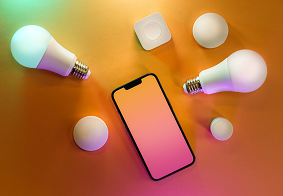
SmartHome devices promise to cut your monthly bills – but do they actually deliver in Singapore’s humid, energy-hungry climate? You’re paying some of the highest electricity rates in Southeast Asia, and cooling your home can make up over 40% of your utility bill. So when a smart thermostat claims it can adjust temperatures while you’re out, that’s not just convenience – that’s real money saved. And smart plugs, LED lighting systems, and water sensors? They’re not just flashy gadgets. They spot waste you didn’t know you had. Some households report dropping their monthly utilities by 15-25% within months of installing smart systems. Is it magic? No. It’s data, timing, and automation working quietly in the background. You just live your life – the tech handles the rest.
Is smart lighting actually worth the hype for your wallet?
Think you’re just paying for fancy lights that change color? Think again. Smart lighting isn’t about party modes – it’s about cutting waste without lifting a finger. You’re not just turning lights off remotely; you’re building a system that automatically adapts to your habits and slashes unnecessary usage. In Singapore’s heat, where every watt adds up, that kind of control starts showing on your bill.
Switching to LEDs that aren’t just bright but smart
You already know LEDs use less power – but are yours actually smart? A bulb that dims when you’re not in the room or adjusts brightness based on natural light does more than save energy, it learns when you need light and when you don’t. Pair them with routines, and suddenly your hallway isn’t blazing at 3 a.m. just because someone forgot to switch off.
How motion sensors save me when I forget the switches
Ever walked out of a room and thought, “Did I leave the light on?” With motion sensors, it doesn’t matter. Lights turn off seconds after you leave – no second-guessing. You’re not just saving energy, you’re eliminating human error – and in a humid climate like Singapore’s, where cooling fights against every extra watt, that’s real savings.
So what happens when you’re home alone, moving slow, or just zoning out on the couch? Good sensors don’t just shut off the second you stop – they track micro-movements, like typing or reading, so lights stay on when needed. But walk away to grab a snack? By the time you’re back, the lights are off… and you didn’t lift a finger. That’s the kind of effortless efficiency that actually sticks – no discipline required, just smarter hardware working quietly in the background.
Why I think smart plugs are the secret weapon for your bills
You’re probably wasting money every single day without even knowing it. Smart plugs let you take back control-easily cutting power to devices that keep drinking electricity on standby. They’re cheap, simple to set up, and can slash your monthly bill by up to 10% without changing your lifestyle. Once you see what’s really happening behind the wall sockets, you’ll wonder why you didn’t start sooner.
Hunting down those ‘vampire’ devices that suck power
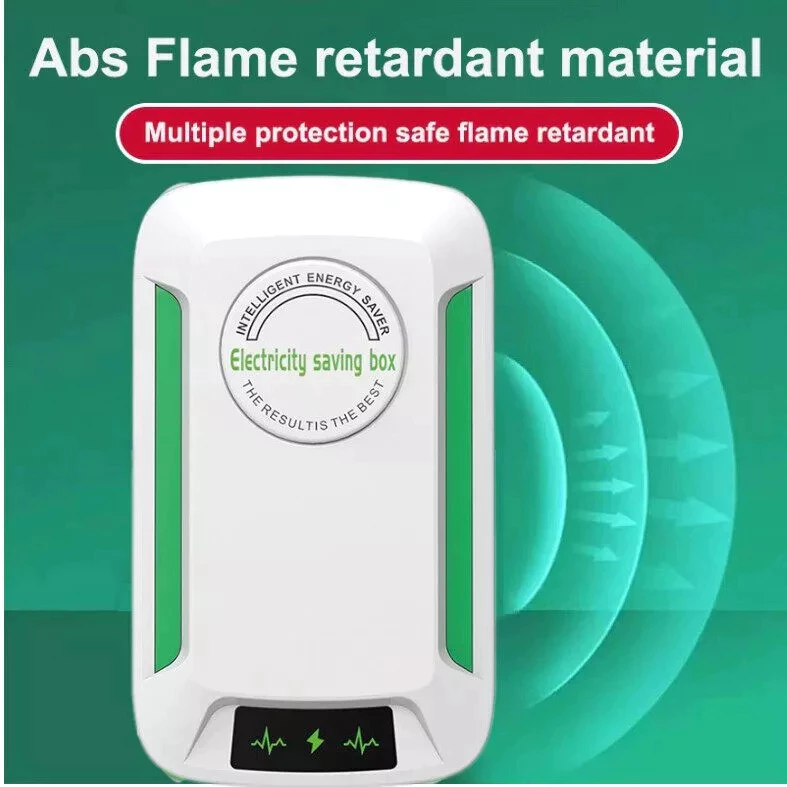
That TV? It’s still on the clock even when it’s off. So are your gaming console, microwave, and coffee maker. These sneaky devices draw power 24/7-called vampire load-and can add $15-$30 to your monthly bill. A smart plug shows you exactly which ones are guilty and lets you kill their power with a tap or schedule. No more free rides for lazy electronics.
Using real-time data to see what’s actually costing you
Your phone tells you how much data you’ve used-why shouldn’t your home tell you about energy? With a smart plug that tracks usage, you see exactly how many watts your devices consume in real time. That cheap desk fan? Turns out it’s guzzling more than your mini-fridge. Knowledge like that changes how you use power-fast.
Think about it-how often do you actually check what’s pulling power when you’re not looking? Most people don’t. But once you plug in a device that shows live consumption, it’s like turning on a flashlight in a dark room. You spot the energy hogs instantly. Maybe your old router uses twice the power of a newer model. Or your standing fan runs all night for no real reason. Seeing the numbers changes your behavior-no guilt, just facts. And when you act on those facts, your next bill proves it.
Let’s be honest, is the upfront cost even worth it?
Smart home gadgets in Singapore can cost hundreds-sometimes thousands-of dollars to set up properly. But here’s the thing: while the initial price tag stings, some devices pay for themselves in under two years through lower utility bills. It’s not magic-it’s efficiency. You just need to pick the right ones.
Figuring out how long it takes to break even
A smart thermostat might cost $250, but if it slashes your AC bill by 20%, you could recover that cost in 18 months. That’s less than two utility cycles-and every dollar saved after that is pure gain. The math isn’t complicated, but it does require tracking your usage before and after.
My advice on where to start if you’re on a budget
Start with a $30 smart plug-it’s dirt cheap and gives you instant control over lamps, fans, or even your kettle. You’ll spot energy hogs fast. One plug can reveal habits costing you $15 a month without you even noticing. Small win? Maybe. But it adds up.
Because you don’t need a full smart home to save money-just a few strategic moves. Plug in a power monitor for a week and see what’s silently draining your electricity. Then automate the biggest culprits. Turn off your router at night? Schedule it. Stop overcharging devices? Set timers. You’re not just cutting waste-you’re taking back control, one outlet at a time. And honestly, that feels pretty good.
How to use the SP Group app like a total pro
Over 1.4 million households in Singapore now track their electricity use through the SP Group app – and you’re missing out if you’re not one of them. This isn’t just a bill checker; it’s your personal energy command center. You can spot spikes the moment they happen, set monthly usage goals, and even compare your consumption against similar homes in your area. It’s free, it’s fast, and it puts real-time control right in your pocket.
Tracking your green marks and usage habits
Did you know you earn Green Marks just for keeping your usage low? The app quietly rewards you each month based on how efficiently you use power compared to your past performance. These points can add up to real savings through giveaways and partner discounts – so every degree you raise your AC helps your wallet twice.
Why checking your dashboard daily actually matters
One user found their bill dropped 22% just by glancing at their app every morning. Small, consistent checks help you catch anomalies fast – like that fridge running too long or an AC left on overnight. Spotting a spike today stops a shock next month. It’s not about obsession, it’s about awareness.
You don’t need to be a data nerd to benefit – just curious. That daily peek shows patterns you’d never notice otherwise, like how humid days spike your cooling load or how your kids’ evening routines light up the graph. Knowledge turns passive consumption into active control. And once you see how your choices directly affect your numbers, cutting waste becomes second nature – not a chore.
To wrap up
Drawing together real-world data and user experiences, yes-smart home devices can actually cut your monthly utilities in Singapore. You’re not just automating lights or AC units for fun; you’re stopping energy waste dead in its tracks. Smart thermostats learn your schedule, plugs cut phantom loads, and sensors ensure you’re never heating an empty room.
And let’s be real-Singapore’s humidity and heat mean constant fan or AC use. But with automation, you’re not stuck choosing between comfort and cost.
You end up using less without even thinking about it-because the system does the thinking for you. Over time, those savings add up. Not magic-just smarter habits, powered by tech.
FAQ
Q: Do smart thermostats actually cut electricity bills in Singapore’s climate?
A: Singapore’s weather is hot and sticky all year round-no seasons, just sweat. Air conditioning runs almost 24/7 in most homes, which means your AC is probably the biggest energy hog in your house. Smart thermostats like the Nest or Ecobee don’t magically cool the air, but they learn when you’re home, when you’re out, and when you’re asleep-then adjust the temperature automatically. So instead of blasting cold air while you’re at work, it turns up the temp a little when you’re gone and cools things down just before you walk in. That kind of precision can reduce AC runtime by 15-20%. Over a year, that adds up. One HDB flat owner in Tampines told me their monthly electricity bill dropped from $140 to around $110 after installing a smart thermostat and using it consistently. And yes, humidity control matters too-some models integrate with dehumid if you’ve got one. But the real savings come from not overcooling an empty apartment. Smart AC control pays for itself over time-especially if you’re forgetful with manual settings.
Q: Can smart lighting really make a difference on my utility bill?
A: LED bulbs already use way less power than old incandescent ones-but most people leave them on anyway. Smart lights take it a step further by giving you control without being in the room. You can schedule them to turn off at midnight, dim when you’re watching Netflix, or shut down when your phone leaves the house. Motion sensors in smart lighting setups mean hallway or bathroom lights only come on when someone’s there. No more kids leaving every light on in the house “by accident.” One family in Bukit Timah switched to a full smart lighting system and saw their lighting-related energy use drop by over 60%-even though they were using lights more often, they weren’t wasting power. But here’s the thing-lighting isn’t the biggest part of your bill. Even cutting it to zero wouldn’t save as much as fixing your AC habits. Still, smart lights help build energy awareness. Once you see how much you were wasting, you start paying attention to other things. It’s not a game-changer on its own-but it’s a solid piece of the puzzle.
Q: Are smart plugs worth it for saving energy in Singapore homes?
A: Standby power-also called vampire power-sucks. Your TV, gaming console, microwave, and coffee maker all draw small amounts of electricity even when “off.” Individually, it’s not much. But together, these sneaky drains can add $15-$30 to your monthly bill. Smart plugs let you cut power completely with a tap on your phone or a voice command. Set them to turn off at 11 PM, or check the app before bed and switch off anything still drawing juice. One guy in Jurong West found his soundbar and router were using power 24/7-he put them on a smart plug and saved about $22 a month. They’re cheap-some go for under $20-and easy to install. Just plug in, connect to Wi-Fi, and you’re done. No electrician needed. But don’t expect miracles. These savings depend on what devices you’re using and how often you leave them on standby. If you’ve got a home office setup or a lot of gadgets, smart plugs are low-hanging fruit. For others, they’re more about convenience than big savings.