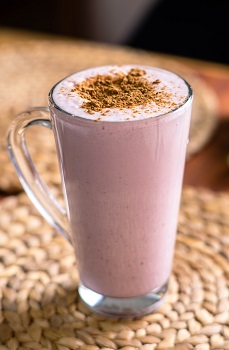
Honestly, don’t make these common mistakes
You’d be surprised how many people jump into meal replacement shakes with the best intentions-only to sabotage their progress within days. It’s not about the product failing you; it’s about the habits you bring to the table (or blender). Small missteps add up fast, and before you know it, that weight loss plan feels like it’s spinning out of control. Let’s clear up the confusion so you don’t waste time-or results.
Thinking you can just live on shakes alone
You might think skipping meals and living off shakes will speed up weight loss-but it won’t. Your body needs real food, fiber, and variety to function properly. Relying only on shakes can leave you tired, hungry, and missing key nutrients. You’ll likely regain the weight fast once you go back to eating normally. Balance is the real game-changer. And let’s be real-no one wants to be *that* person chugging a chocolate shake at every meal, right?
Forgetting that liquid calories still totally count
Just because it’s in a glass doesn’t mean it vanishes from your daily total. That extra scoop of peanut butter, splash of honey, or flavored creamer you toss into your shake? Yeah, those add up-fast. Liquid calories are still calories, and your body processes them the same way. You wouldn’t eat a spoonful of sugar, so why drink it?
Most people don’t track what they blend in. They see “150 calories per serving” on the label and think they’re safe-but then double the powder, add oats, nut butter, and almond milk, and suddenly they’re sipping on 500+ calories. That’s like drinking a full meal without feeling full. What you don’t measure, you can’t manage. Track every ingredient, not just the shake mix. Your results depend on it.
How to pick a shake that doesn’t taste like chalk
Let’s be real-no one sticks with a shake that tastes like powdered sidewalk. The market’s flooded with options that promise nutrition but deliver a gritty, artificial aftertaste. You want something that mixes smoothly and doesn’t leave you gagging by the third sip. Flavor and texture matter just as much as macros-if you hate drinking it, you won’t keep doing it, plain and simple.
Checking the label for the good stuff you need
Protein should be first on your radar-aim for at least 15-20 grams per serving. Watch out for hidden sugars; some brands sneak in corn syrup or maltodextrin that spike your insulin. Fiber, healthy fats, and imperative vitamins should also make the cut. If the ingredient list reads like a chemistry exam, walk away.

Finding flavors you’ll actually look forward to drinking
Flavor isn’t just about enjoyment-it’s about consistency. If you’re dreading your daily shake, you’re already setting yourself up to fail. Brands now offer real cocoa, vanilla bean, and even salted caramel that don’t taste like lab experiments. You’re more likely to stay on track when you actually crave the shake.
Think about it-when was the last time you stuck with something you hated doing? Exactly. Companies are finally catching on, using natural flavorings and better sweeteners like stevia or monk fruit instead of aspartame sludge. Try sample packs before committing to a tub-your taste buds (and waistline) will thank you. Enjoyment isn’t optional-it’s part of the plan.
My take on making them work for the long haul
You’ve probably seen the ads-shakes that promise quick results with zero effort. But real life isn’t that simple. These shakes can help jumpstart weight loss, sure, but lasting change comes from consistency, not perfection. The trick? Treat them like a tool, not a magic fix. Use them when life gets hectic, but don’t let them replace the learning curve of healthy eating.
Mixing in real food so you don’t get bored to death
Let’s be real-drinking your meals gets old fast. Your taste buds will revolt if every lunch is vanilla powder and water. So throw in a real salad, a grilled chicken wrap, or even a solid breakfast burrito once in a while. Balance keeps your mind engaged and your cravings in check. You’re more likely to stick with the plan if you actually enjoy parts of it.
Keeping the weight off once you’ve hit your goal
Reaching your target weight feels amazing-but the job isn’t over. Most people slip back because they go back to old habits. You need a maintenance rhythm that includes some shakes, yes, but also real meals and portion awareness. Slipping into autopilot is the fastest way to regain. Stay mindful, not obsessive.
Think of maintenance like a thermostat, not a finish line. If you’ve been relying on two shakes a day to stay on track, maybe drop to one-on busy days only. Keep logging your meals once a week so you don’t drift. Add strength training to protect your metabolism. Weight loss is hard-won; don’t hand it back without a fight. Small habits, repeated daily, are what lock in your progress. And honestly? That’s the real win.
Conclusion
You know that friend who swears by her morning shake instead of breakfast? The one who lost 15 pounds without giving up her coffee habit? That’s not magic – it’s consistency. Meal replacement shakes can work for weight loss because they simplify calorie control. You get nutrients, portion control, and convenience in one glass. But they’re not a forever fix unless you pair them with lasting habits. Real change happens when you understand your choices – not just swap a meal. And that’s on you.
FAQ
Q: Do meal replacement shakes actually help you lose weight – or is it just another gimmick?
A: Okay, let’s be real – the idea of losing weight by swapping meals for a shake sounds too easy. And honestly, a lot of brands *do* make it sound like magic. But here’s the truth: meal replacement shakes aren’t magic, but they *can* work – if you use them right. They help mainly by cutting down your daily calorie intake without leaving you starving. Most quality shakes pack protein, fiber, and some imperative vitamins, so you’re not just drinking liquid regret. But – and this is a big but – they only work if the rest of your day isn’t a free-for-all. Swap breakfast and lunch for shakes, then hit the drive-thru for dinner and three cookies? Yeah, that’s not going to move the needle. It’s not about the shake itself. It’s about consistency, portion control, and making better choices the rest of the time. And no, you don’t have to live on shakes forever. Most people use them short-term to kickstart habits or break emotional eating cycles. Weight loss still comes down to calories in vs. calories out – shakes just make that math easier for some folks.
Q: Are meal replacement shakes safe for long-term use?
A: This one trips people up. You see ads showing someone drinking shakes for months – even years – and think, “Can I really live like that?” Short answer: not ideally. Your body needs a variety of whole foods – textures, fibers, phytonutrients, the works – that no shake can fully replicate. Sure, many are fortified, but food synergy is real. Broccoli does more than just vitamin C. Salmon offers more than just protein. Using shakes for a few weeks? Totally fine. Six months? Maybe, but only if you’re still eating real food the rest of the time and not relying on shakes for every meal. And here’s a red flag: if you start feeling tired, cold, or just “off,” that’s your body telling you something’s missing. Could be iron, could be healthy fats, could be just the joy of chewing your food. Doctors usually say 1-2 meals a day max from shakes, and even then, only for a limited time. Long-term? They’re not a lifestyle. They’re a tool – like training wheels. You wouldn’t ride a bike with training wheels forever. Same idea.
Q: Can I gain weight from meal replacement shakes?
A: Wait – weight *gain* from a weight loss product? Sounds backwards, right? But yeah, it happens. More often than you’d think. Here’s how: people assume “meal replacement” means “free pass.” So they drink a 200-calorie shake… then snack all afternoon… then eat a full dinner… and maybe a second shake because “it’s healthy.” Boom – you’ve just added 500 extra calories to your day. Or – and this is sneaky – some shakes are loaded with sugar and cheap carbs. Vanilla caramel bliss with “natural flavors”? That might be 35 grams of sugar. That’s not a meal replacement. That’s a milkshake in disguise. And if you’re not active, all that sugar spikes insulin, stores fat, and leaves you hungry an hour later. So yes – you can absolutely gain weight on meal replacement shakes. It’s not the concept that’s broken. It’s how people use them. Always check the label. Look for at least 15g protein, under 5g added sugar, and real ingredients. And for the love of snacks – don’t treat them like bonus meals.