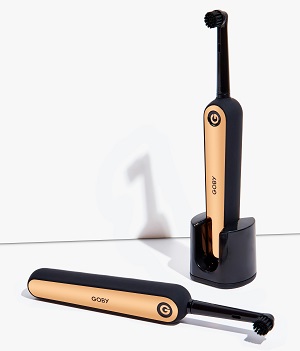
Why do electric toothbrushes work better for cleaning teeth?
You’ve probably stood in the oral care aisle, staring at the wall of toothbrushes, wondering if that pricier electric one is really worth it. Manual brushes have been around forever—so what’s the big deal about the ones that buzz? Well, turns out, there’s solid science behind why electric models tend to outperform their manual cousins.
Electric toothbrushes clean more effectively because they do the work for you. You just guide it along your teeth, and the brush head handles the scrubbing with rapid, consistent motions. Most electric models deliver thousands of brush strokes per minute—some hit 30,000 or more. Try matching that with your hand. You can’t. Your wrist just doesn’t move that fast or that evenly.
Think about how you brush. Do you rush through the back molars? Skip the inside surfaces? Let your focus drift after 30 seconds? We all do it. Electric toothbrushes often come with built-in timers that buzz every 30 seconds, nudging you to switch quadrants. That means you’re more likely to hit two full minutes-the dentist-recommended brushing time-without even thinking about it.
And it’s not just about speed or timing. The oscillating or sonic motion of electric brushes creates tiny fluid dynamics between your teeth. This helps dislodge plaque in places bristles don’t directly touch. It’s like a mini power wash for your gums and crevices. Manual brushing relies entirely on your technique, which-let’s be honest-can be hit or miss depending on your energy level, posture, or whether you’re half asleep.
Studies back this up. Research shows people using electric toothbrushes tend to have less plaque and healthier gums over time. The difference isn’t always dramatic, but it’s consistent. Over months and years, that small daily advantage adds up-fewer cavities, less gum inflammation, fewer trips for deep cleanings.
But here’s the real kicker: electric brushes make good habits easier. You don’t need perfect form. You don’t need to remember to brush longer. The tool does the heavy lifting. And when something feels easier, you’re more likely to stick with it.
You still have to use it properly, of course. Just gliding it across your teeth won’t cut it. You need to let it sit on each tooth for a second or two, letting the vibrations do their thing. But once you get into the rhythm, it feels less like a chore and more like a quick, satisfying clean.
So if you’re tired of wondering whether you brushed well enough… maybe it’s time to let technology take over.