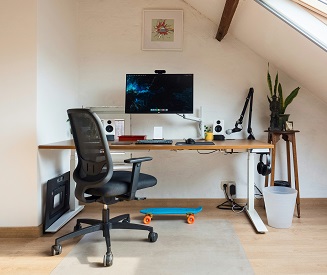
You probably think the biggest challenge of setting up a home office is finding space, but honestly, it’s picking the right desk. That one piece of furniture can have a huge impact on your productivity, posture, and even your mood after eight hours of work. And no, your kitchen table doesn’t count as a long-term solution (even if it’s been holding up for weeks).
Start by measuring your space—like, actually pull out a tape measure. Too many people buy a desk based on looks alone, then realize it eats up half the room. Leave at least 24-30 inches behind the desk for chair movement, and make sure doors, drawers, and walkways aren’t blocked. A desk that’s too big feels claustrophobic. One that’s too small? You’ll be stacking notebooks on the floor by day three.
Consider how you work. Do you juggle two monitors, a notebook, and a coffee mug the size of a bucket? Then you need serious surface area—look for desks at least 60 inches wide. If you mostly use a laptop and take quick notes, a compact 48-inch desk might be plenty. Corner desks are sneaky-good for maximizing awkward spaces, and L-shaped ones give you room to spread out without invading the whole room.
Height matters—especially if you’re tired of hunching over like a question mark. Standard desk height is around 29-30 inches, but if you’re tall or short, consider an adjustable standing desk. These let you switch between sitting and standing, which honestly feels like a cheat code for staying alert. They cost more, sure, but your back will thank you in six months.
Material isn’t just about looks. Solid wood lasts forever but costs more. Laminate is budget-friendly and easy to clean but can feel cheap if it’s too thin. Metal frames are sturdy and modern, especially appealing if you like that industrial vibe. Just avoid wobbly particleboard unless you’re on a tight budget—and even then, check the weight capacity.
Storage is where people get tripped up. Do you need drawers for files? Cable management grommets to hide the spaghetti of cords? Open shelves for books and supplies? Built-in USB ports? Please keep in mind what you actually use daily—don’t pay for features you won’t touch.
And don’t forget the chair. A $1,000 desk with a folding chair is still a bad setup. Your desk and chair should work together height-wise so your arms form a 90-degree angle when typing.
Test it if you can. Sit at it. Pretend to type. See how it feels. Because at the end of the day, your desk isn’t just furniture—it’s where your work life happens.
Choose wisely.